


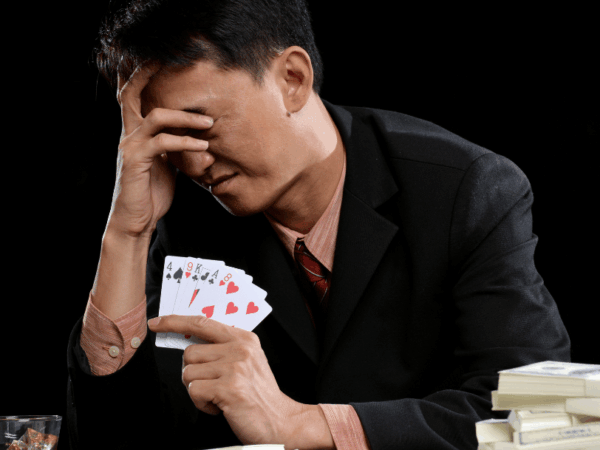
Online gaming has expanded rapidly in recent years, and among the most popular forms are digital casino-style games, especially online slot games. These games are designed to be engaging, fast-paced, and visually stimulating. However, because of their accessibility and continuous reward cycles, they can sometimes lead to unhealthy gambling habits.
Understanding the early warning signs of problem gambling is essential for maintaining control and keeping entertainment from turning into harm.
1. Losing Track of Time While Playing Slots
One of the earliest signs of problem gambling in online slot games is losing awareness of time. What starts as a short session can quickly turn into hours of continuous play without breaks.
Players may find themselves ignoring responsibilities, skipping meals, or staying up late just to continue playing the slot games.
2. Chasing Losses After Unsuccessful Spins
A major red flag is the urge to “win back” money after losing. This behavior is known as chasing losses.
Instead of stopping after a losing streak, a player continues to increase bets or play longer sessions, hoping the next spin will recover previous losses. This cycle often leads to even greater financial strain.
3. Spending More Money Than Planned
Problem gambling often involves breaking personal budgets. A person might initially decide to spend a small amount on online slot games but gradually increase deposits over time.
This can include:
- Using savings meant for important needs
- Borrowing money to continue playing
- Repeatedly depositing beyond set limits
This pattern is a strong warning sign that control over spending is weakening.
4. Emotional Dependence on Winning or Losing
When gambling begins to affect mood significantly, it becomes a concern. A player may feel extreme excitement after a win or frustration, stress, or anger after losses.
If emotional well-being starts depending on outcomes of slot games, it indicates an unhealthy attachment to gambling results.
5. Neglecting Personal, Social, or Work Responsibilities
As gambling becomes more consuming, other parts of life may suffer. Common signs include:
- Missing work or school obligations
- Ignoring family or friends
- Reduced interest in hobbies or daily activities
When online slot games take priority over real-life responsibilities, the situation may be becoming problematic.
6. Hiding Gambling Activity from Others
Secrecy is another common indicator. A person may begin hiding how often or how much they are playing.
This could include clearing browsing history, lying about spending, or minimizing the amount of time spent on slot games. Hiding behavior often suggests guilt or awareness that control is slipping.
7. Difficulty Stopping Even When Trying
Perhaps the clearest sign of problem gambling is the inability to stop despite wanting to.
A person may repeatedly promise themselves to quit or reduce play but continue returning to online slot games anyway. This loss of control is a key warning that gambling behavior has become compulsive.
8. Using Gambling as an Escape from Stress
Some individuals turn to gambling to cope with stress, anxiety, boredom, or emotional discomfort. While it may provide temporary distraction, it does not solve underlying problems.
Using slot games as an emotional escape can reinforce dependency and make it harder to manage feelings in healthier ways.
9. Borrowing or Selling Items to Fund Gambling
In more serious cases, individuals may seek external funds to continue playing. This can include borrowing money from friends or family, using credit, or selling personal belongings.
This level of behavior often indicates that gambling has moved beyond entertainment into a harmful pattern.
Conclusion: Recognizing the Problem Early Matters
Online slot games are designed for entertainment, but they can become risky when boundaries are not maintained. Recognizing early warning signs such as chasing losses, secrecy, emotional dependency, and financial strain is essential.
