


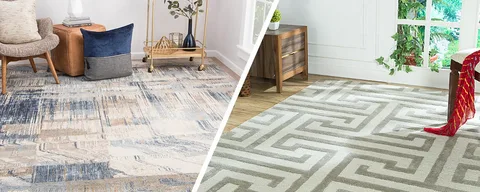
A rug often defines a room. It sets the tone, anchors the furniture, and adds warmth to a space. But when you choose a handknotted rug from India, you bring home more than just a floor covering. You acquire a piece of history, crafted by human hands over months or even years.
India stands as a global leader in rug manufacturing. The country produces textiles that rival the finest in the world. These pieces are not mass-produced in factories. Instead, skilled artisans tie every single knot individually. This process creates durability and detail that machines cannot replicate.
“Hand Knotted rugs” represent the pinnacle of rug making. They hold their value and often last for generations. Understanding what goes into these pieces helps you appreciate why they remain so sought after in modern interior design.
The Roots of Indian Rug Making
Rug weaving in India has a long past. It dates back to the 16th century during the Mughal era. Emperor Akbar brought Persian weavers to India to teach local artisans the craft. These early workshops produced carpets for royal palaces.
Over time, Indian weavers adapted these Persian techniques. They incorporated local motifs and colors, creating a distinct Indian style. The art form survived the rise and fall of empires. Today, it remains a vital industry. It supports thousands of families across the country who keep these age-old skills alive.
Materials and Techniques
The quality of a rug starts with its raw materials. Indian weavers primarily use three fibers: wool, silk, and cotton.
- Wool: This is the most common material. New Zealand wool and Indian Bikaner wool rugs are popular choices. Wool offers durability and softness. It resists stains and handles foot traffic well.
- Silk: Weavers use silk for intricate details and a luxurious sheen. Silk rugs are often more decorative and less suitable for high-traffic areas.
- Cotton: This forms the foundation of the rug—the warp and weft. A strong cotton base ensures the rug keeps its shape.
The technique separates handknotted rugs from hand-tufted or machine-made alternatives. A weaver sits at a vertical loom. They wrap yarn around the warp threads and tie a knot. They cut the yarn and repeat the process.
This happens thousands of times. A high-quality rug might have hundreds of knots per square inch. This density creates a sharp, clear pattern. It also makes the rug incredibly strong.
Regional Styles Across India
Different regions in India produce distinct rug styles. The geography and local culture influence the designs and materials.
Kashmir
Kashmir is famous for silk rugs. Artisans here create incredibly fine knots. The designs often feature floral motifs and intricate patterns inspired by nature. These pieces feel soft and look almost like paintings.
Bhadohi and Mirzapur
People often call this region the “Carpet Belt” of India. It produces a vast quantity of rugs. Weavers here specialize in wool rugs. They create a wide range of designs, from Persian-inspired classics to modern, abstract patterns.
Jaipur
Jaipur produces high-quality wool and silk blends. The city is known for its vibrant colors and bold designs. Weavers here often experiment with different textures and pile heights to create visual interest.
Agra
Home to the Taj Mahal, Agra has a history of weaving that rivals its architecture. Rugs from Agra often feature classic Mughal designs. They use rich, deep colors and high-quality wool.
The Artisan’s Role
You cannot separate the rug from the maker. Crafting these pieces requires immense patience and skill. An artisan might work on a single 8×10 rug for six months or more. Complex designs take even longer.
The work demands precision. A single mistake in the knotting can throw off the entire pattern. Many artisans learn the craft from their parents. They start young and refine their skills over decades. When you look at “premium carpets” from India, you see the result of this dedicated labor. The human element ensures that no two rugs are exactly alike. Small variations in the weave serve as a signature of the maker.
Caring for Your Rug
Handknotted rugs are durable, but they need proper care to last. Simple maintenance keeps them looking new.
- Vacuum Regularly: Dirt and grit act like sandpaper on the fibers. Vacuum your rug often, but avoid using the beater bar setting. The beater bar can pull at the knots.
- Rotate Frequently: Sunlight and foot traffic cause uneven wear. Rotate your rug every six months to ensure it ages evenly.
- Clean Spills Immediately: Blot spills with a clean, white cloth. Do not rub. Rubbing pushes the liquid deeper into the fibers. For tough stains, call a professional.
- Use a Rug Pad: A pad prevents the rug from slipping. It also provides a cushion that reduces wear on the knots.
A Guide to Buying
Knowing what to look for helps you make a smart investment. Here are key factors to consider when you decide to “buy rugs” made by hand.
Check the Back
Turn the rug over. On a handknotted rug, the pattern on the back mirrors the front. You will see the individual knots. If the back has a fabric backing glued on, it is not handknotted.
Count the Knots
Ask about the KPSI (Knots Per Square Inch). A higher knot count usually indicates a finer rug. However, a lower knot count does not mean the rug is bad. Some styles, like geometric village rugs, naturally have lower knot counts but possess great charm.
Inspect the Material
Touch the rug. Good wool feels soft and oily, not dry and brittle. If the rug claims to be silk, test it. Real silk feels warm to the touch, while artificial silk feels cool.
Look for Color Fastness
Rub a damp white cloth on a small, hidden part of the rug. If color transfers to the cloth, the dyes are not stable. High-quality rugs use stable dyes that do not bleed.
Bring Heritage Home
Handknotted rugs from India offer a unique blend of history, art, and utility. They transform spaces and withstand the tests of time. The market is flooded with machine-made options, but they lack the soul of a handmade piece.
Investing in these textiles supports a community of artisans and preserves a craft that has existed for centuries. Whether you prefer a classic floral pattern or a modern geometric design, an Indian handknotted rug adds lasting value to your home.
