


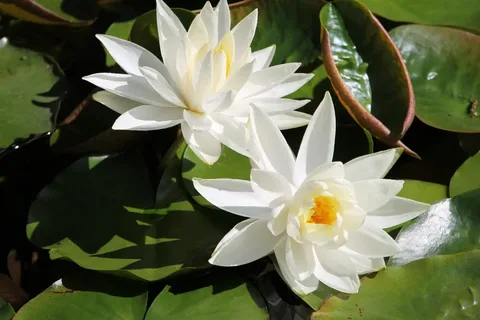
Water lilies are a beautiful way to bring colour, elegance, and natural charm to a garden pond or water feature. Their floating leaves and graceful flowers can create a peaceful atmosphere while adding visual interest to outdoor spaces. However, selecting the right variety and planting it correctly are important for healthy growth.
If you plan to Buy Water Lilies for Your Garden: How to Select and Plant the Perfect Blooms, understanding factors such as pond size, sunlight, planting depth, and plant type can help you make the right choice.
Why Add Water Lilies to Your Garden?
Water lilies can become an attractive focal point in almost any suitable water garden. Their flowers are available in numerous colours, while their rounded leaves provide texture across the surface of the water.
Besides their decorative appeal, water lily foliage can provide shade over parts of the pond. When combined with other aquatic plants, they can contribute to a natural and balanced water garden design.
Choose the Right Water Lily Variety
Before you Buy Water Lilies for Your Garden, consider which variety is best suited to your environment.
Hardy Water Lilies
Hardy varieties are well suited to many temperate climates. They can tolerate cooler weather and, with appropriate care, return each growing season. They are available in colours such as white, pink, red, and yellow.
Tropical Water Lilies
Tropical varieties are often valued for their impressive flowers and, in some cases, attractive fragrance. They generally prefer warmer conditions and may require additional protection during cold weather.
Compact Varieties
For small ponds, tubs, and containers, compact water lilies can be an excellent option. They have a smaller growth habit and are less likely to dominate the available water surface.
Consider Pond Size and Depth
The mature size of a water lily should match the dimensions of your pond. A vigorous variety can quickly become too large for a small water feature, while a compact variety may look lost in a very large pond.
Planting depth is another important consideration. Different varieties have different requirements, so check the recommended depth before planting. Correct positioning helps the leaves reach the surface while allowing the roots to develop properly.
Look at Sunlight Requirements
Most water lilies need several hours of sunlight to produce strong growth and regular flowers. Before choosing a plant, observe how much direct sunlight your pond receives throughout the day.
If trees, buildings, or fences create substantial shade, consider varieties that can tolerate the available conditions. Good sunlight exposure generally encourages healthier foliage and more abundant blooms.
Select Healthy Plants
When shopping online or at a garden centre, choose plants that appear healthy and well established. Look for strong foliage and avoid plants showing obvious signs of damage, disease, or decay.
When you Buy Water Lilies for Your Garden, check the supplier’s information about mature size, flower colour, hardiness, planting depth, and growing requirements. These details can help you determine whether the plant is appropriate for your pond.
How to Plant Water Lilies
Water lilies are commonly grown in aquatic planting baskets. Use a suitable heavy aquatic soil rather than ordinary lightweight potting compost.
Place the plant in the container according to the supplier’s instructions, making sure the growing crown remains exposed rather than being completely buried. A thin layer of gravel on top of the soil can help keep the planting medium in place.
Lower the container into the pond at the recommended depth. If necessary, raise the container temporarily using suitable supports until the plant reaches the appropriate position.
Caring for Your Water Lilies
Once planted, water lilies need regular but relatively simple maintenance. Remove yellow or damaged leaves and clear away faded flowers when necessary.
During the growing season, use a fertiliser designed specifically for aquatic plants if feeding is required. Follow the product instructions carefully and avoid excessive fertilisation, which can contribute to unwanted algae growth.
Keep an eye on the plant’s spread. If foliage begins covering too much of the pond, the plant may eventually need dividing or repositioning.
Common Planting Mistakes to Avoid
Several simple mistakes can prevent water lilies from thriving. Avoid placing them in locations with insufficient sunlight, choosing varieties that are too large for the pond, or planting them at an unsuitable depth.
It is also important not to overcrowd the pond with too many plants. Maintaining some open water can improve the overall appearance and help create a healthier aquatic environment.
Final Thoughts
Water lilies can transform an ordinary pond into a colourful and relaxing garden feature. By considering variety, mature size, sunlight, planting depth, and local growing conditions, you can choose plants that are well suited to your space.
If you Buy Water Lilies for Your Garden: How to Select and Plant the Perfect Blooms, careful selection and proper planting will give your plants the best start. With suitable care throughout the growing season, water lilies can reward you with beautiful foliage and impressive blooms year after year.
