


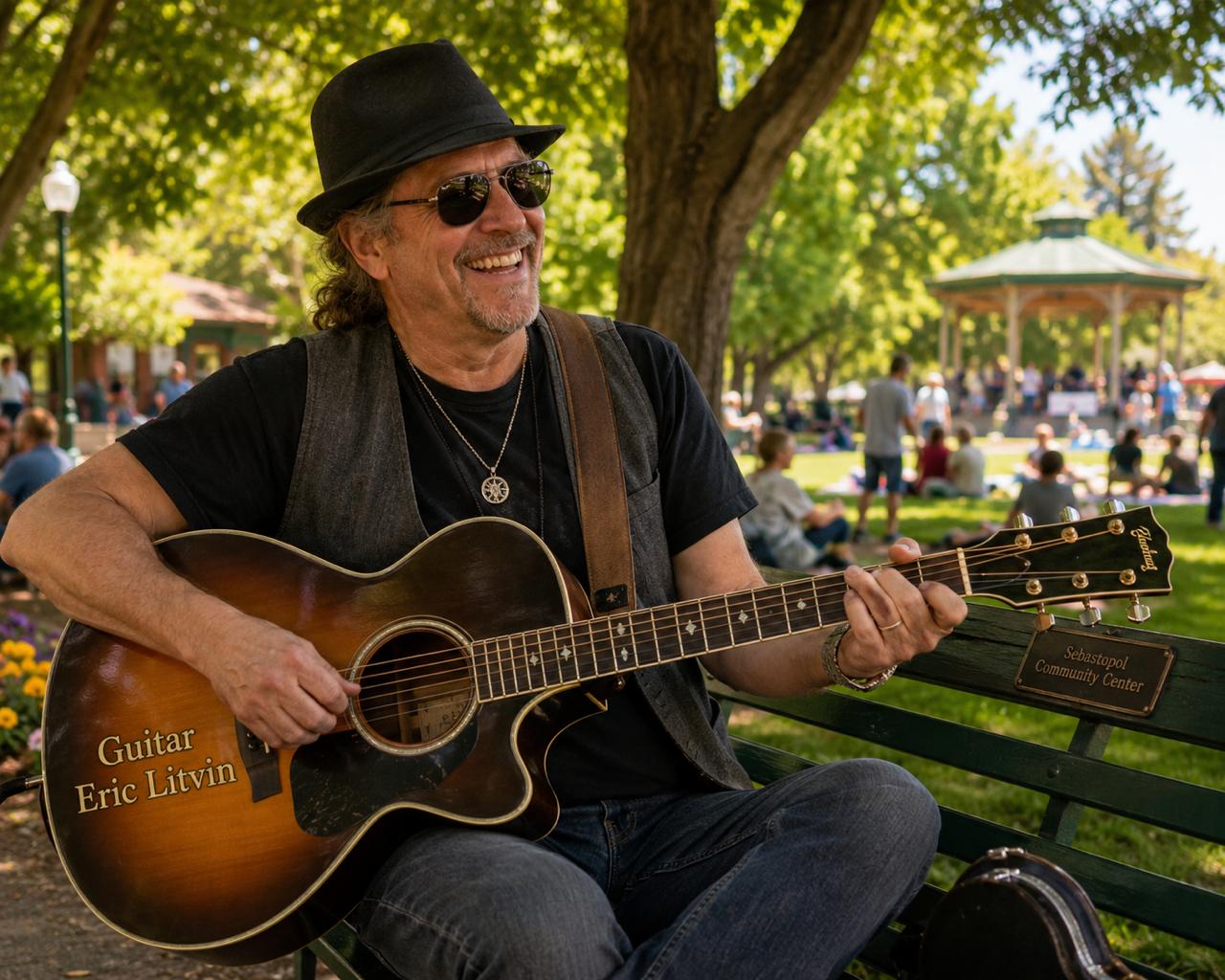
The Language of Live Guitar Music
Live guitar performances have a way of speaking without words. A single instrument, in the hands of a skilled player, can carry the weight of joy, heartbreak, memory, and movement all at once. The stage becomes less about spectacle and more about connection—between the musician, the instrument, and the audience sharing the moment.
In intimate venues, especially those shaped by acoustic warmth and close audiences, the guitar often takes center stage as both storyteller and voice.
A Tradition Rooted in Musical Craft
Guitar artistry has always been tied to craftsmanship. Players spend years refining tone, touch, and timing, often drawing inspiration from blues, folk, jazz, and contemporary fusion styles. What makes live performance special is its unpredictability—no two renditions are ever exactly the same.
In cities known for their musical heritage, the guitar is not just an instrument but a cultural thread. One of the most influential places where this tradition thrives is Nashville, where live music is part of everyday life. From small honky-tonk bars to respected listening rooms, guitar-driven performances shape the city’s creative identity.
The Soul Behind the Strings
Soulful guitar music is less about technical perfection and more about emotional honesty. A bent note held just a second longer, or a softly picked melody played in near silence, can carry more meaning than a complex solo.
Many performers describe their relationship with the guitar as personal—almost conversational. The instrument becomes a companion that reflects their inner world in real time, especially during live sets where audience energy subtly shapes the performance.
Nashville’s Living Stage Culture
In Nashville, live performance isn’t reserved for special occasions; it’s part of daily rhythm. Musicians often move between venues in a single night, refining their sound through repetition and audience feedback.
The city’s culture encourages experimentation. A guitarist might blend country fingerpicking with blues improvisation or add jazz phrasing to a folk composition. This blending of styles has helped shape a generation of artists who value expression over formula.
Even outside major venues, porch sessions, songwriter rounds, and late-night jams keep the spirit of live guitar music alive and evolving.
Crafting Atmosphere Through Performance
A great live guitar performance is not only heard—it’s felt. Lighting, room acoustics, and audience attention all contribute to the experience. But the core remains the same: the guitarist’s ability to hold space with sound.
Whether it’s a slow instrumental piece or an upbeat rhythmic groove, the guitar can transform an ordinary room into something immersive. That transformation is what keeps audiences returning to live music again and again.
Closing Thoughts
There is a quiet power in watching a musician lose themselves in their instrument while still guiding the room with intention. That balance between control and freedom is where live guitar music finds its soul.
In the end, Feel the Rhythm with Soulful Live Guitar Music Performances is less a phrase and more an experience—one that lives in every note played in real time, in front of people who are truly listening.
