


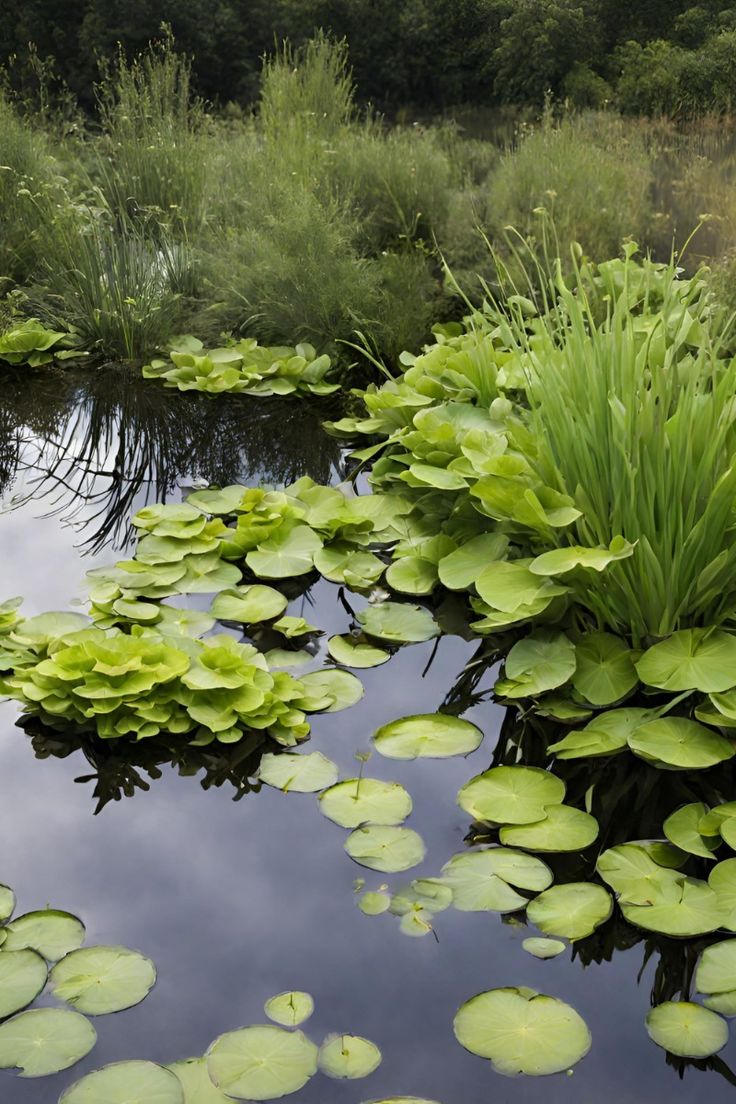
A well-planted pond can become one of the most attractive features in a British garden. Beyond adding colour and texture, pond plants can provide shelter for wildlife, improve the natural appearance of the water and create valuable habitats for insects, amphibians and birds. However, choosing the right plants and placing them correctly is important for maintaining a healthy pond.
If you are wondering How to Choose and Grow British Pond Plants Successfully, the key is to consider your pond’s size, depth, light levels and the natural growing conditions of each plant.
Why Choose British Pond Plants?
British native and well-suited pond plants are excellent choices for garden ponds because many are adapted to the country’s climate and seasonal conditions. They can also contribute to a more natural-looking wildlife pond.
Plants such as water mint, marsh marigold, flowering rush and yellow flag iris can provide attractive foliage and flowers while offering cover for pond wildlife. When selecting plants, however, it is important to check their eventual size and growth habit. Some pond plants can spread rapidly and may become difficult to control in a small pond.
How to Select the Right Pond Plants
The first step in How to Choose and Grow British Pond Plants Successfully is understanding the different planting zones within your pond.
Marginal Plants
Marginal plants grow in shallow water around the edges of a pond. Their roots are usually submerged while their stems and leaves grow above the water.
Popular choices include marsh marigold, water mint and purple loosestrife. These plants can soften the pond’s edges and provide valuable cover for wildlife.
Deep-Water Plants
Deep-water plants generally grow in deeper areas, with their roots anchored beneath the water and their leaves reaching towards the surface. Water lilies are a familiar example.
Choose varieties that are appropriate for the size and depth of your pond. A large-growing plant can quickly overwhelm a small garden pond.
Floating Plants
Floating plants sit on the surface of the water and can provide shade and shelter for aquatic life. They can also help create a natural appearance.
Because some floating plants reproduce quickly, monitor their growth regularly and remove excess material when necessary.
Oxygenating Plants
Submerged oxygenating plants grow beneath the water’s surface. They contribute to underwater habitats and can help support a balanced pond environment.
When purchasing these plants, choose species that are suitable for your pond rather than adding large quantities at once.
Preparing Your Pond for Planting
Before planting, remove excessive debris and check that the pond has a range of suitable depths. A pond with shallow margins and deeper sections can support a greater variety of plants and wildlife.
Avoid covering the entire surface with vegetation. Leaving some open water allows light to penetrate and gives wildlife room to move.
If you are creating a new pond, avoid introducing fish if your primary goal is to encourage amphibians and aquatic wildlife, as fish can eat eggs, larvae and other small pond inhabitants.
Planting British Pond Plants Correctly
The correct planting method depends on the type of plant. Marginal plants can be planted in baskets filled with an appropriate aquatic planting medium and positioned at the correct depth.
For plants such as water lilies, select a suitable planting container and place it at a depth recommended for the particular variety. As the plant grows, it may need to be repositioned deeper into the pond.
Avoid using ordinary garden compost or fertilisers in the pond, as excess nutrients can encourage unwanted algae growth.
Caring for Your Pond Plants
Successful pond planting requires regular but relatively simple maintenance. Remove dead or damaged leaves and trim plants when they begin to take over too much of the pond.
During autumn, remove fallen leaves before they accumulate heavily in the water. A net placed over the pond temporarily can make this task easier during periods of heavy leaf fall.
It is also useful to monitor plant growth throughout the growing season. If a plant becomes overcrowded, divide it and replant suitable sections or remove the excess.
Avoiding Common Mistakes
One of the most common mistakes is planting too many plants at once. A new pond can look sparse initially, but plants often establish and spread faster than expected.
Another mistake is choosing plants based solely on their appearance. Always consider their mature size, preferred water depth, sunlight requirements and growth rate.
Avoid introducing invasive or unsuitable species, particularly those that can spread aggressively into natural waterways. Buy plants from reputable aquatic plant suppliers and check that the species is appropriate for your location.
Encouraging Wildlife Naturally
Pond plants can play an important role in creating a wildlife-friendly garden. Dense marginal vegetation can provide shelter for insects and amphibians, while flowering plants can attract pollinating insects.
Try to create a mixture of open water, submerged vegetation, floating leaves and marginal planting. This variety creates different habitats and makes the pond more useful to a wider range of wildlife.
Avoid excessive use of chemicals around the pond. Pesticides, herbicides and fertilisers can enter the water through runoff and potentially harm aquatic organisms.
Seasonal Pond Plant Care
Spring is a good time to check plants for new growth and divide overcrowded specimens. During summer, keep an eye on fast-growing plants and remove excess foliage when necessary.
In autumn, remove fallen leaves and cut back suitable marginal plants. However, leaving some stems and vegetation standing can provide shelter for insects during colder weather.
Winter is generally a quieter period for pond maintenance. Avoid disturbing the pond unnecessarily and allow hardy plants to remain dormant until spring.
Final Tips for a Healthy Pond
Learning How to Choose and Grow British Pond Plants Successfully is largely about matching plants to the conditions available in your pond. Consider water depth, sunlight, available space and the mature size of each plant before buying.
Start with a modest selection of suitable species rather than overcrowding the pond. With careful planting and occasional maintenance, your pond can develop into a natural-looking feature that supports a diverse range of garden wildlife.
By choosing appropriate British pond plants, planting them at the correct depths and controlling excessive growth, you can create a beautiful and sustainable pond that changes naturally with the seasons.
