


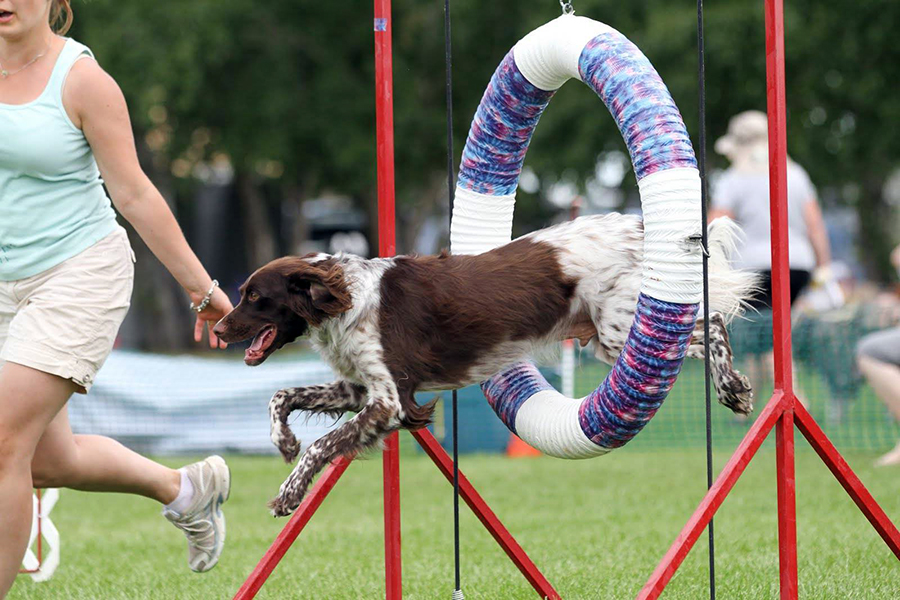
Dogs benefit from more than walks, meals, and time spent relaxing at home. Individual dog enrichment activities provide opportunities to explore, think, learn, and engage with natural canine behaviours. When selected according to a dog’s temperament, age, physical abilities, and training goals, these activities can make everyday routines more engaging while supporting positive behaviour.
For dog owners, the key is finding activities that suit each animal rather than assuming every dog needs the same level of stimulation. Simple scent games, reward-based training exercises, interactive toys, and supervised exploration can create meaningful learning opportunities. With guidance from Rob’s Dog Training, owners can explore ways to incorporate suitable enrichment activities into a consistent routine that supports their dog’s individual needs.
Why Individual Dog Enrichment Activities Matter
Enrichment involves providing suitable opportunities for dogs to use their senses, solve problems, explore their surroundings, and participate in activities that match their needs. It can include mental challenges, physical movement, social interaction, and opportunities to investigate different scents.
Individualized enrichment matters because dogs differ in their motivations, confidence, energy levels, and abilities. A dog that enjoys searching for treats may respond differently to an obedience exercise than a dog that prefers toys or interactive play.
Well-planned enrichment can help dogs practise useful skills, engage with their environment, and experience appropriate outlets for their energy. However, enrichment is not a substitute for veterinary care, sufficient rest, exercise, or professional behaviour support when needed.
Five Individual Dog Enrichment Activities to Try
The most effective starting point is an activity that a dog can understand and enjoy. Begin with simple challenges, observe the response, and gradually adjust the difficulty.
1. Introduce Scent-Based Search Games
Dogs rely heavily on their sense of smell to gather information about their surroundings. Scent-based activities allow them to investigate familiar objects and search for rewards using this natural ability.
To introduce a basic scent game:
- Let the dog observe a treat being placed in an easy-to-find location.
- Use a consistent cue, such as “find it,” to begin the search.
- Reward the dog when the treat is discovered.
- Gradually hide treats in slightly less obvious but accessible locations.
A snuffle mat or suitable treat-search toy can provide another option. Keep the initial search simple, especially for inexperienced dogs, and increase the challenge only when the dog understands the activity.
2. Use Food Puzzles and Interactive Toys
Food puzzles encourage dogs to investigate, manipulate objects, and work toward a reward. These activities can make mealtimes more engaging without requiring expensive equipment or elaborate preparation.
Choose a puzzle that matches the dog’s size, chewing habits, and experience. Begin with an easy design so the dog can succeed without becoming frustrated. If the dog struggles repeatedly, simplify the task or demonstrate how the puzzle works.
Always inspect toys for damage and supervise unfamiliar items. A toy that is suitable for gentle food searching may not be appropriate for a dog that aggressively chews or attempts to swallow pieces.
3. Practise Short Obedience Training Sessions
Training can provide mental engagement while reinforcing skills that support everyday life. Individual exercises can focus on basic cues, calm behaviour, recall, leash manners, or settling on a designated mat.
Keep sessions brief and reward behaviours the dog performs correctly. Food, toys, praise, or play may serve as rewards, depending on individual preferences.
For example, practising a calm wait before opening a door can combine a familiar training cue with an everyday routine. Consistent repetition helps the dog understand what behaviour is expected in that situation.
4. Encourage Supervised Exploration
Exploration walks can offer enrichment beyond covering a particular distance. Allowing a dog to sniff suitable areas, investigate new textures, and notice environmental changes provides opportunities to engage with the surroundings.
Select locations appropriate for the dog’s confidence, training level, and physical condition. Use a secure leash where necessary, avoid unsafe objects, and give the dog enough space to explore without creating conflict with other animals or people.
Dogs that find unfamiliar environments overwhelming may benefit from quieter routes and gradual exposure rather than busy public spaces. The goal is a manageable, positive experience rather than forcing interaction.
5. Incorporate Independent Play and Rest
Some enrichment activities allow dogs to engage independently while remaining in a safe environment. Suitable food-dispensing toys, durable interactive toys, and simple search activities may provide options when an owner needs to complete household tasks.
Independent play should be appropriate for the individual dog. Not every toy is safe to leave unattended, and dogs that destroy or swallow objects require closer supervision.
Rest is equally important. A useful daily routine balances activity with opportunities to relax, particularly for puppies, senior dogs, and dogs adjusting to a new home or training programme.
How to Match Enrichment to Your Dog’s Needs
An activity that works well for one dog may be unsuitable for another. Consider the following factors when creating a personalized enrichment routine.
Age and physical ability: Puppies benefit from age-appropriate learning and manageable challenges. Older dogs may prefer gentle scent games and low-impact activities. Dogs with mobility limitations should receive activities suited to their condition, with veterinary guidance when appropriate.
Temperament and confidence: A confident, curious dog may enjoy searching in new locations, while a nervous dog may feel more comfortable beginning with familiar indoor activities. Introduce changes gradually and avoid situations that create unnecessary distress.
Motivation: Some dogs are strongly interested in food, while others respond better to toys, play, or social interaction. Identifying effective rewards can make enrichment and training more engaging.
Existing training goals: If a dog is learning to settle calmly, activities that encourage relaxed engagement may be useful. If leash manners are a priority, structured walking exercises can complement other enrichment opportunities.
Behavioural concerns: Excessive barking, destructive behaviour, reactivity, and difficulty settling can have different causes. Enrichment may contribute to a broader management plan, but persistent or serious concerns warrant individualized professional guidance.
Building a Practical Enrichment Schedule
A consistent routine is generally more useful than introducing many complicated activities at once. Owners can start with a few short sessions distributed throughout the day and adjust according to the dog’s response.
A simple routine might include:
- Morning: Offer a supervised scent search or food puzzle.
- During a walk: Allow appropriate sniffing and environmental exploration.
- Afternoon: Practise a few familiar obedience cues using rewards.
- Evening: Introduce a suitable interactive toy followed by quiet rest.
This is a flexible example rather than a fixed requirement. Activity duration should reflect the dog’s needs, health, energy, and ability to remain engaged comfortably.
Watch for signs that a challenge is too difficult, including repeated disengagement, escalating frustration, or avoidance. Simplify the activity, offer a break, or try another option. Rotating familiar games with occasional new challenges can also help maintain interest.
How Professional Dog Training Can Support Enrichment
Home activities are valuable, but some dogs need more structured instruction to develop reliable skills or address specific behaviour concerns. Professional training can help owners identify suitable exercises, establish clear expectations, and understand how to practise skills consistently.
Rob’s Dogs offers several services that may complement an individualized enrichment plan. Private lessons provide one-on-one instruction tailored to a dog’s needs and the owner’s training goals. The board-and-train programme offers structured training at its K9 Performance Center, while the boarding service includes supervised care, structured enrichment, and daily activities.
The appropriate option depends on the dog’s circumstances and the skills that need attention. Owners interested in professional guidance can explore the training and care services available through Rob’s Dogs.
Professional support is particularly worth considering when a dog struggles with persistent reactivity, anxiety-related behaviours, or difficulties that cannot be safely managed through basic home activities. A qualified professional can help determine suitable next steps rather than relying on enrichment alone.
Make Enrichment Part of Everyday Care
Individual dog enrichment activities give dogs valuable opportunities to use their senses, practise learned skills, explore safely, and engage with their surroundings. Scent searches, food puzzles, short training sessions, supervised exploration, and suitable independent play can make daily routines more stimulating while supporting dogs’ individual needs.
The key is choosing activities that match each dog’s abilities and interests. Start with manageable challenges, observe the dog’s response, and adjust the routine as needed. By combining appropriate enrichment with consistent training, adequate rest, and guidance from Rob’s Dog Training, owners can create a more rewarding daily routine that supports their dogs’ well-being and continued learning.
